How Often Commercial Air Ducts Should Be Cleaned
People seeking how often commercial air ducts should be cleaned can rely on local contractors to assess their needs and perform thorough cleaning to maintain air quality.
If you're a property owner wondering about the appropriate frequency for cleaning commercial air ducts, you're in the right place. Maintaining clean air ducts is an important aspect of ensuring a healthy and efficient indoor environment. Many local contractors recommend regular inspections and cleanings based on factors like the size of the space, occupancy levels, and the presence of dust, debris, or other contaminants. Understanding how often these systems should be serviced can help prevent issues such as poor air quality, increased energy costs, and system malfunctions, making it a practical concern for many in the area.
Exploring this topic can lead to better decision-making about building maintenance and air quality management. Local service providers specializing in air duct cleaning are equipped to assess individual needs and recommend maintenance schedules tailored to specific commercial spaces. Whether for routine upkeep or addressing particular concerns, connecting with experienced contractors can help property owners keep their systems running smoothly and efficiently. Keep reading to learn more about the factors that influence cleaning frequency and how local experts can support your property's needs.
- Commercial air duct cleaning - businesses with high occupancy or frequent HVAC use may need this service regularly, and local contractors assess the condition to recommend appropriate cleaning intervals.
- Air duct cleaning for commercial spaces - facilities experiencing dust buildup or odors often require professional cleaning, with local service providers tailoring schedules based on usage and environment.
- Business air duct maintenance - companies in industries with airborne contaminants or allergens should consider routine cleanings, with local pros advising on optimal timing for their specific needs.
- Office building air duct cleaning - spaces with poor air quality or recent renovations might need more frequent cleanings, and local contractors evaluate duct conditions to determine suitable intervals.
- Industrial air duct cleaning - large-scale operations with extensive duct systems may require scheduled cleanings, with local service providers recommending frequency based on operation and air quality concerns.

When people search for information on how often commercial air ducts should be cleaned, they are typically trying to determine a maintenance schedule that ensures indoor air quality and system efficiency. This question often arises when a business owner or property manager notices signs of dust buildup, musty odors, or increased energy costs. They may also be preparing for health inspections or planning routine maintenance to keep their environment safe and comfortable for employees and customers. Understanding the recommended cleaning frequency helps property owners avoid unnecessary service visits while ensuring the air circulation system remains in optimal condition.
The need for regular commercial air duct cleaning is closely linked to specific problems and operational plans. For instance, buildings with high occupancy, such as restaurants, retail stores, or office spaces, tend to accumulate more debris and contaminants in their ductwork. This can lead to poor indoor air quality, increased allergen levels, and even system breakdowns if not addressed. Conversely, some property owners plan periodic cleanings as part of their preventative maintenance routines to extend the lifespan of HVAC equipment and reduce the risk of costly repairs. Local service providers can assess these factors and recommend a cleaning schedule tailored to the property's unique usage and environment.
The types of properties that typically come up in discussions about how often commercial air ducts should be cleaned include a wide range of business environments. Retail spaces, restaurants, healthcare facilities, office buildings, and educational institutions often require more frequent attention due to higher traffic and stricter cleanliness standards. Industrial facilities and warehouses may have different needs based on the presence of dust, fumes, or other airborne particles. Regardless of property type, it is important to recognize that the frequency of duct cleaning should align with the level of contaminants and the specific operational demands of the space. Local contractors experienced in commercial systems can evaluate these factors and help determine an appropriate cleaning schedule.
In practical terms, understanding how often commercial air ducts should be cleaned connects directly to ongoing maintenance and health considerations. Regular inspections and cleanings by experienced service providers can help prevent issues before they develop into significant problems. For many commercial properties, a common recommendation is to have air ducts cleaned every three to five years, but this can vary based on factors like building size, usage, and environmental conditions. Property owners and managers should view duct cleaning as part of their overall maintenance plan, ensuring that local pros are involved to perform the work properly. This approach helps maintain a clean, efficient, and safe indoor environment, supporting the operational needs of the property.
HVAC System Maintenance - technicians who service commercial HVAC systems often perform duct cleaning as part of regular upkeep to ensure optimal air quality and system efficiency.
Commercial Ventilation System Installation - installing or upgrading ventilation systems requires planning and knowledge of ductwork, which overlaps with the skills used in air duct cleaning services.
Indoor Air Quality Assessments - professionals conducting air quality evaluations are familiar with ductwork conditions and can recommend cleaning intervals based on findings.
Air Filter Replacement Services - replacing filters in commercial settings involves understanding ductwork and airflow, making these providers capable of advising on cleaning frequency.
Building Inspection and Maintenance - inspectors assessing commercial properties often evaluate duct systems and can identify when cleaning is necessary to maintain standards.
Dryer Vent Cleaning - cleaning dryer vents shares similar skills and tools used in air duct cleaning, emphasizing the importance of regular maintenance for safety and efficiency.
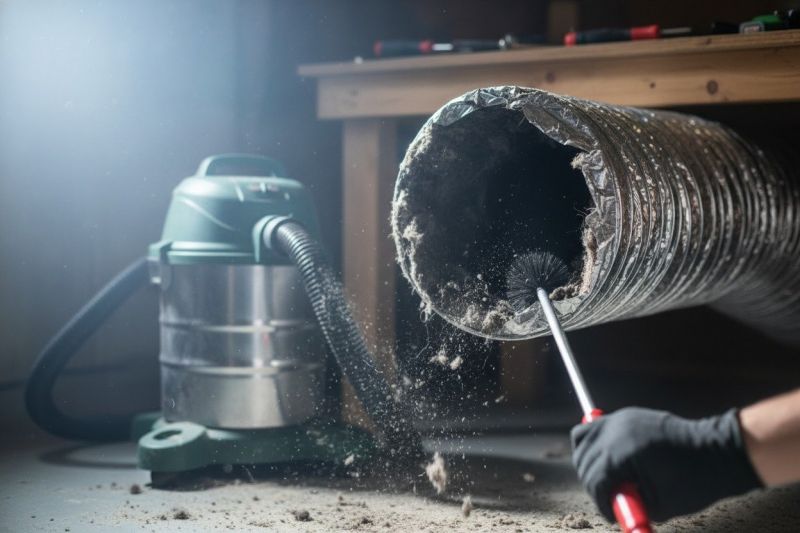
When comparing local contractors for air duct cleaning services, it is important to consider their experience with similar commercial projects. Service providers with a proven track record in handling commercial air duct systems are more likely to understand the specific requirements and challenges involved. This experience can help ensure the job is performed effectively and efficiently, reducing the risk of overlooked issues that could impact indoor air quality or system performance. Homeowners should inquire about the types of commercial spaces they have serviced previously and seek references that can verify their ability to manage projects comparable to their own.
Clear written expectations are essential when evaluating potential service providers. A reputable contractor should be able to provide a detailed scope of work, outlining what the cleaning process will include and any necessary preparations or follow-up steps. This clarity helps prevent misunderstandings and ensures that both parties are aligned on the scope of work before the project begins. Homeowners should review these expectations carefully, asking questions about what is included and what might be outside the scope, to confirm that the service provider’s approach meets their needs.
Good communication is a key factor in choosing a reliable air duct cleaning service. Service providers who are transparent about their methods, responsive to inquiries, and willing to provide detailed explanations can make the process smoother. Reputable contractors often have a reputation for keeping homeowners informed throughout the project and addressing any concerns promptly. When comparing local pros, it is beneficial to consider how well they communicate and whether they demonstrate a willingness to educate clients about how often commercial air ducts should be cleaned and what factors influence that frequency. This approach can help ensure a positive experience and a clear understanding of the service provided.
Property owners often search for how often commercial air ducts should be cleaned when they are planning practical projects around their homes and businesses. Local pros provide Air Duct Cleaning services for everyday jobs and straightforward project options.
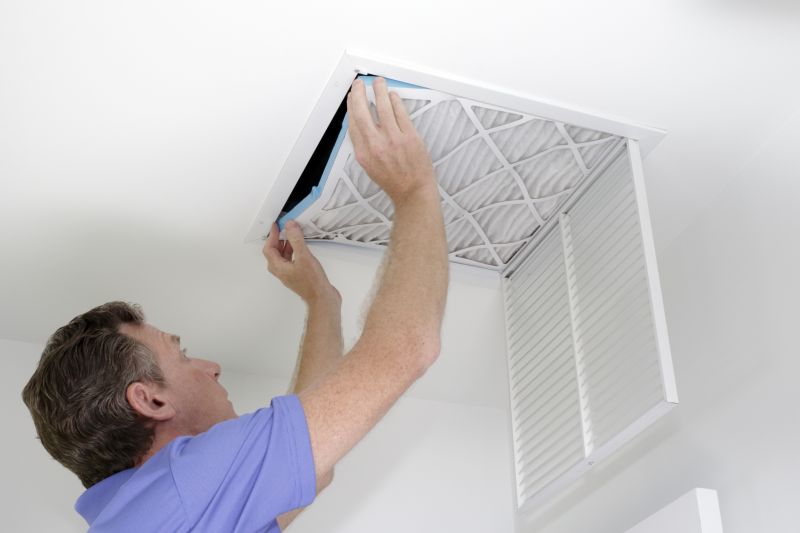
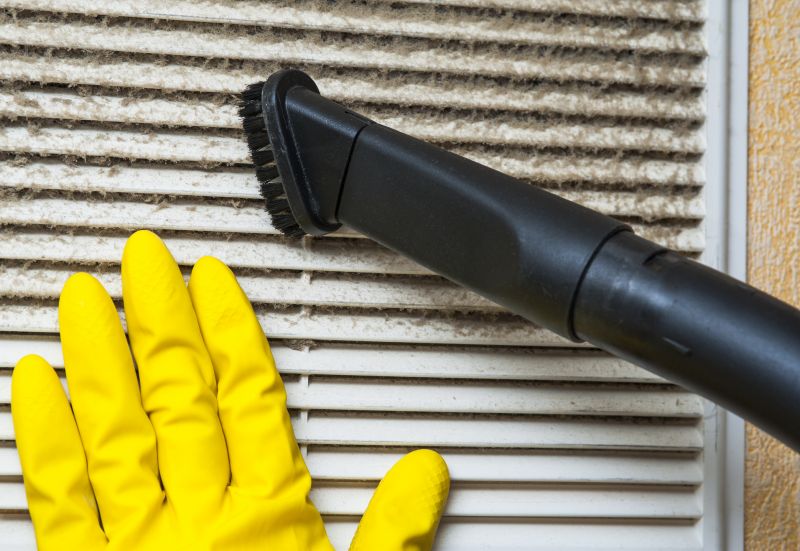
Many property owners in the area seek guidance on how often commercial air ducts should be cleaned to maintain a healthy and efficient workspace. Regular cleaning can help reduce dust buildup, improve indoor air quality, and prevent potential issues such as mold growth or pest infestations. Business owners and facility managers often turn to local contractors to get professional assessments and cleaning services that align with their specific needs, whether they operate in retail, office buildings, or industrial settings.
Understanding the recommended frequency for commercial air duct cleaning can vary based on factors like the size of the space, the number of occupants, and environmental conditions. Local service providers can evaluate these factors and suggest a cleaning schedule that helps ensure the air circulation remains clean and safe. This proactive approach supports a healthier environment and can contribute to the overall efficiency of HVAC systems, making it easier for property owners to maintain their spaces effectively.
How often should commercial air ducts be cleaned? Typically, commercial air ducts should be cleaned every 3 to 5 years, but the frequency can vary based on factors like building size, usage, and environmental conditions. Consulting with local contractors can help determine the best schedule for specific needs.
Are there signs that indicate commercial air ducts need cleaning? Yes, signs include visible dust or debris around vents, musty odors, increased allergy symptoms among occupants, or noticeable decreases in air quality. Local service providers can assess and recommend appropriate cleaning intervals.
Can the frequency of cleaning depend on the type of business? Absolutely. Businesses with high dust, smoke, or chemical exposure, such as manufacturing or food processing, may require more frequent cleanings. Local pros can advise on tailored cleaning schedules based on industry-specific factors.
Is it necessary to clean commercial air ducts if no visible dirt is present? Even without visible dirt, ducts can accumulate dust and contaminants over time. Regular inspections by local contractors can determine if cleaning is necessary to maintain air quality and system efficiency.
How do local pros determine the ideal cleaning schedule for a commercial space? They consider factors such as building size, occupancy levels, type of business, ventilation system age, and environmental conditions. Contacting local service providers can help establish a maintenance plan suited to the specific property.
Regular maintenance schedules can help property owners determine when to schedule air duct cleaning with local contractors, especially in high-traffic or dusty environments.
Seasonal inspections encourage property owners to assess the need for cleaning based on seasonal changes and indoor air quality concerns, with guidance from local service providers.
Monitoring indoor air quality allows owners to identify signs that air ducts may need cleaning, prompting consultations with local pros for professional assessment.
Considering building usage helps property owners decide how often commercial air ducts should be cleaned, particularly in spaces with heavy equipment or frequent occupancy, with assistance from local contractors.
If you are thinking about how often commercial air ducts should be cleaned for a property, this guide is meant to help you understand this topic, the typical project types, and how different options might fit your plans.
When you are ready, you can use the quote form on this page to share a few details about your project. From there, local pros can review the basics and follow up with options that match what you have in mind.