Get Ductwork Replacement
Ductwork replacement services involve skilled local contractors upgrading or replacing damaged or outdated air ducts to improve indoor air quality and HVAC system efficiency.
Property owners considering ductwork replacement often explore this service to improve indoor air quality, enhance energy efficiency, or address aging or damaged duct systems. Properly functioning ductwork is essential for maintaining consistent heating and cooling throughout a property, which can contribute to overall comfort and system performance. Local contractors who specialize in ductwork replacement can assist with planning and executing this upgrade, ensuring the work aligns with the specific needs of each property.
Comparing options among local service providers can help property owners find the most suitable solutions for their ductwork needs. Many local contractors offer a range of services, from assessing existing systems to recommending appropriate replacements that fit the property’s layout and usage. Continuing to explore and gather information can help ensure the project is well-planned and executed by experienced professionals in the area.
- Old or damaged ductwork - homeowners may need replacement when ducts show signs of wear, leaks, or inefficiency.
- Upgrading HVAC systems - replacing ductwork is often necessary when installing a new heating or cooling system for optimal performance.
- Improved indoor air quality - replacing outdated or contaminated ducts can help enhance air cleanliness and reduce allergens.
- Uneven temperature distribution - ductwork replacement can address issues of hot or cold spots throughout a building.
- Energy efficiency upgrades - new duct systems can reduce energy consumption and lower utility bills for property owners.
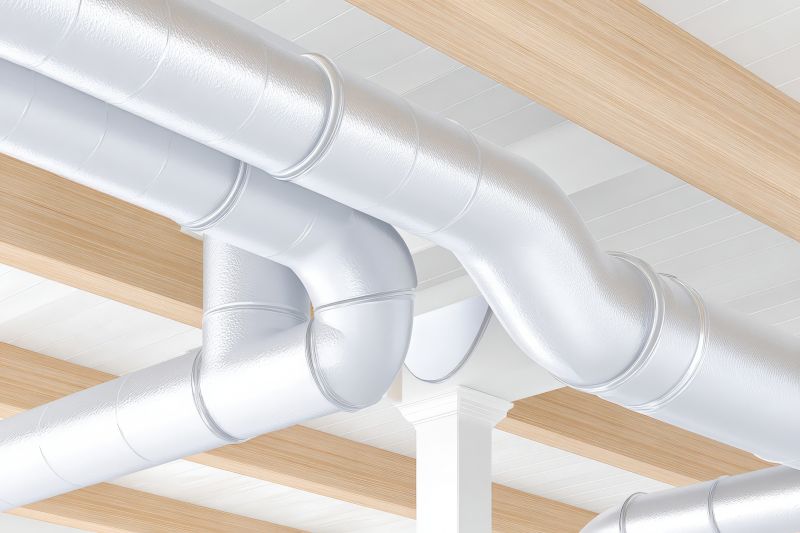
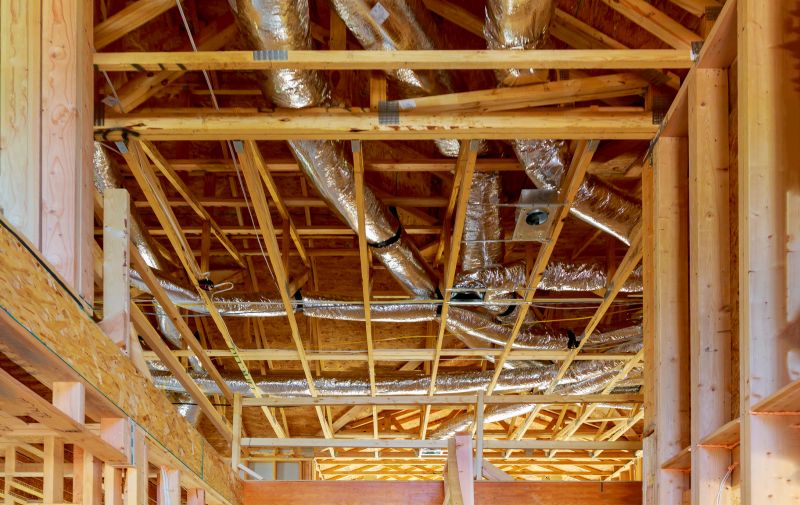
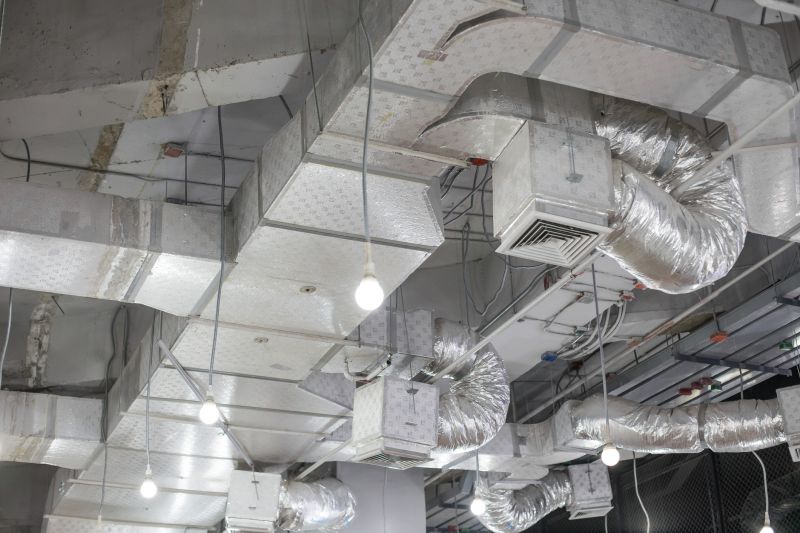
Ductwork replacement services involve removing and installing new air distribution systems within a property’s heating, ventilation, and air conditioning (HVAC) setup. This process typically includes assessing the existing duct system, removing outdated or damaged ducts, and installing new ductwork that is properly sealed and insulated. Skilled service providers ensure the new ducts are correctly fitted to optimize airflow and energy efficiency, helping to create a more comfortable indoor environment. Properly installed ductwork can also improve indoor air quality by reducing leaks and preventing dust, debris, or mold from spreading through the system.
Replacing ductwork can address a variety of common problems homeowners face with their HVAC systems. Over time, ducts can become cracked, disconnected, or collapsed, which leads to air leaks and reduced efficiency. This can result in uneven heating or cooling, higher energy bills, and difficulty maintaining consistent indoor temperatures. Additionally, old or damaged duct systems may harbor mold, dust, or other allergens, impacting indoor air quality and potentially aggravating respiratory issues. Duct replacement is often recommended when existing ductwork shows signs of significant wear or damage, or when upgrading to a more efficient system.
The need for ductwork replacement is common in many types of properties, including older homes, commercial buildings, and newer constructions. Homes that have experienced recent renovations or additions may also require duct upgrades to ensure proper airflow throughout the property. Commercial spaces with extensive HVAC networks often benefit from duct replacement to maintain energy efficiency and indoor comfort. Regardless of property type, a professional assessment can determine whether ductwork replacement is a suitable solution for improving system performance and indoor air quality.
Homeowners typically consider ductwork replacement when they notice persistent drafts, uneven room temperatures, or increased energy costs. Other signs include excessive dust buildup, visible damage to ducts, or musty odors coming from vents. If the HVAC system is frequently running or struggling to maintain set temperatures, replacing old or compromised ductwork can help restore efficiency and comfort. Consulting with local contractors can provide insight into whether duct replacement is the right step to resolve ongoing issues and enhance the overall performance of the home’s heating and cooling system.
The overview below groups typical Ductwork Replacement projects into broad ranges so you can see how smaller, mid-sized, and larger jobs often compare in your area.
In many markets, a large share of routine jobs stays in the lower and middle ranges, while only a smaller percentage of projects moves into the highest bands when the work is more complex or site conditions are harder than average.
Smaller Repairs - typical costs for minor ductwork repairs or sealing range from $250-$600, with many routine jobs falling within this band. These projects usually involve fixing leaks or replacing small sections of duct. Larger, more complex repairs can cost more, but most fall into this middle range.
Partial Replacement - replacing sections of ductwork typically costs between $1,000 and $3,000, depending on the size of the area and the complexity of the installation. Many local contractors handle projects in this range, with fewer reaching into the higher end for larger homes or challenging layouts.
Full Duct System Replacement - comprehensive replacement of an entire duct system usually ranges from $3,500 to $7,000. Larger, more intricate systems or homes with custom requirements can push costs higher, though most projects stay within this bracket.
Complex or Custom Projects - highly customized or large-scale ductwork replacements can exceed $7,000 and may reach $10,000 or more for very extensive or complicated installations. These projects are less common and tend to involve specialized materials or challenging architectural features.
Actual totals will depend on details like access to the work area, the scope of the project, and the materials selected, so use these as general starting points rather than exact figures.
Air Duct Cleaning - professionals who specialize in cleaning and maintaining duct systems can often handle related tasks like replacing or repairing ductwork components.
HVAC System Installation - installing or upgrading heating, ventilation, and air conditioning systems requires similar planning and ductwork knowledge as duct replacement projects.
Ventilation System Upgrades - local contractors experienced in ventilation improvements can assist with duct modifications to enhance airflow and efficiency.
Indoor Air Quality Improvements - projects aimed at improving air quality often involve ductwork adjustments or replacements to optimize airflow paths.
Fire and Smoke Damper Installation - installing dampers within duct systems to control fire and smoke spread requires ductwork planning and installation skills.
Insulation Installation for Ducts - adding or replacing insulation on ductwork involves similar skills in handling duct systems and ensuring proper sealing.
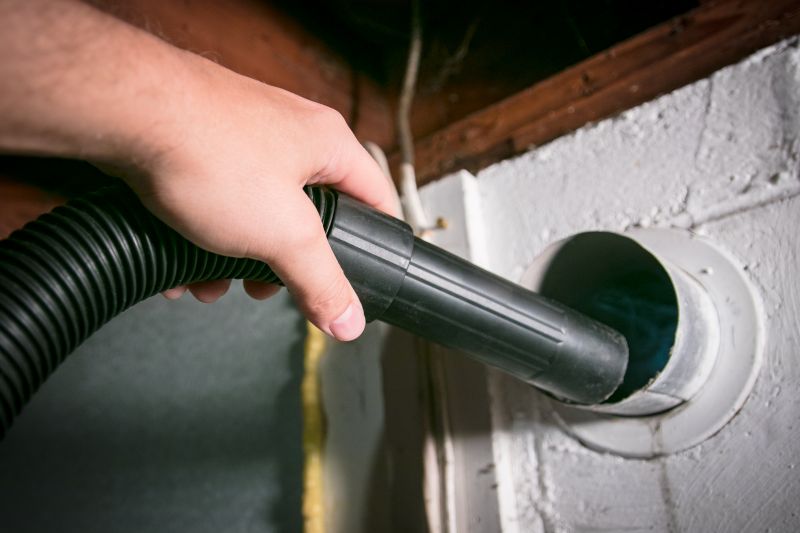
When evaluating local contractors for ductwork replacement, it’s important to consider their experience with similar projects. Homeowners should look for service providers who have a proven track record in handling ductwork upgrades or replacements comparable to the scope of their own needs. Asking about past work can help gauge whether a contractor has the necessary expertise to deliver quality results and navigate potential challenges specific to duct systems.
Clear, written expectations are essential for ensuring everyone is on the same page before work begins. Homeowners should seek service providers who can provide detailed estimates, scope of work, and warranties in writing. This documentation helps prevent misunderstandings and sets a transparent foundation for the project, allowing homeowners to review what will be done, how it will be accomplished, and what guarantees are included.
Reputable references and good communication are also key factors in selecting a reliable local contractor. Homeowners are encouraged to request references from previous clients who had similar work performed and to follow up with these contacts to learn about their experiences. Additionally, choosing service providers who communicate clearly and promptly can help ensure the project proceeds smoothly and any questions or concerns are addressed effectively. It’s important to remember that this site introduces homeowners to local pros who are capable of handling the work, rather than performing the work directly.
Property owners use Ductwork Replacement services for practical projects around their homes and businesses. This guide focuses on everyday jobs and straightforward project options.
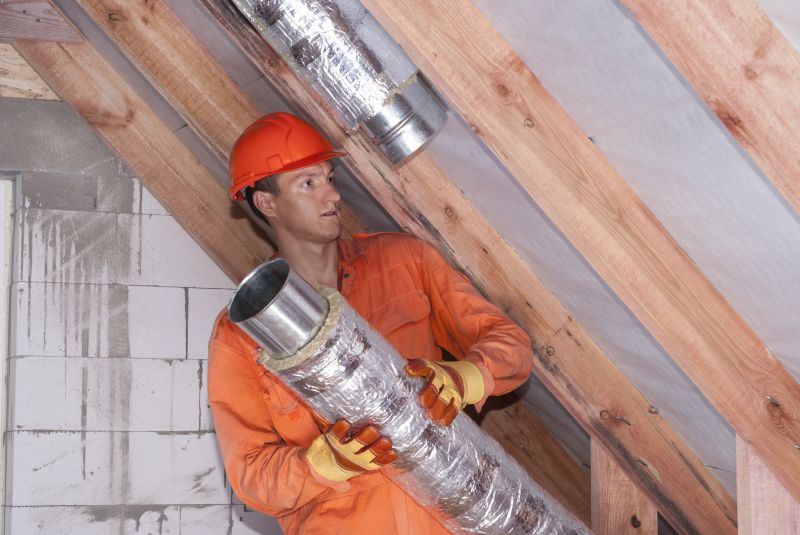
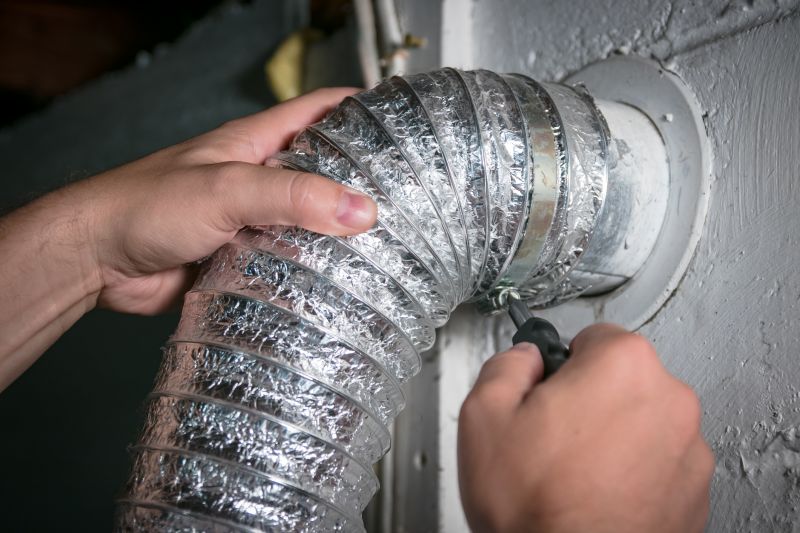
Ductwork replacement is a common project for property owners experiencing issues with their heating and cooling systems. Over time, ducts can become damaged, develop leaks, or lose efficiency, leading to uneven temperatures, higher energy bills, or indoor air quality concerns. Local contractors often handle these upgrades to ensure that ventilation systems operate properly and provide consistent comfort throughout the property. Homeowners and business owners may seek ductwork replacement after noticing increased dust, musty odors, or inconsistent airflow in their spaces.
In addition to addressing existing problems, property owners might consider ductwork replacement as part of a larger renovation or upgrade project. Aging or outdated duct systems can hinder the performance of new HVAC equipment, making replacement a practical choice for improving system efficiency. Local service providers are available to assess the condition of existing ducts and recommend suitable solutions, helping property owners maintain a comfortable and healthy indoor environment.
What are the signs that ductwork needs to be replaced? Indicators include persistent dust, uneven heating or cooling, and visible damage or leaks in the duct system.
Why should I consider replacing my ductwork? Replacing old or damaged ductwork can improve indoor air quality and enhance the efficiency of the heating and cooling system.
How do local contractors handle ductwork replacement? Experienced service providers assess the existing duct system, remove the old ducts, and install new, properly fitted ductwork tailored to the space.
Can replacing ductwork improve my home's energy efficiency? Yes, new duct systems can reduce energy waste by ensuring better airflow and minimizing leaks.
What types of duct materials are available for replacement? Common options include flexible ducts, sheet metal ducts, and insulated ducts, chosen based on the home's needs and preferences.
Improve Indoor Air Quality - Replacing old ductwork can help ensure cleaner air circulation throughout a property, benefiting residents with allergies or respiratory issues.
Upgrade for Energy Efficiency - Installing new duct systems can reduce energy loss, making heating and cooling systems more effective and lowering utility bills.
Prepare for Renovations - When remodeling or expanding a space, new ductwork can be added or existing systems replaced to accommodate changes.
Address Duct Damage or Leaks - Replacing compromised duct sections can prevent air leaks, improve system performance, and maintain consistent indoor temperatures.
If you are thinking about Ductwork Replacement for a property, this guide is meant to help you understand the work, the typical project types, and how different options might fit your plans.
When you are ready, you can use the quote form on this page to share a few details about your project. From there, local pros can review the basics and respond with options that match what you have in mind.